
DECEMBER SWING BUGS
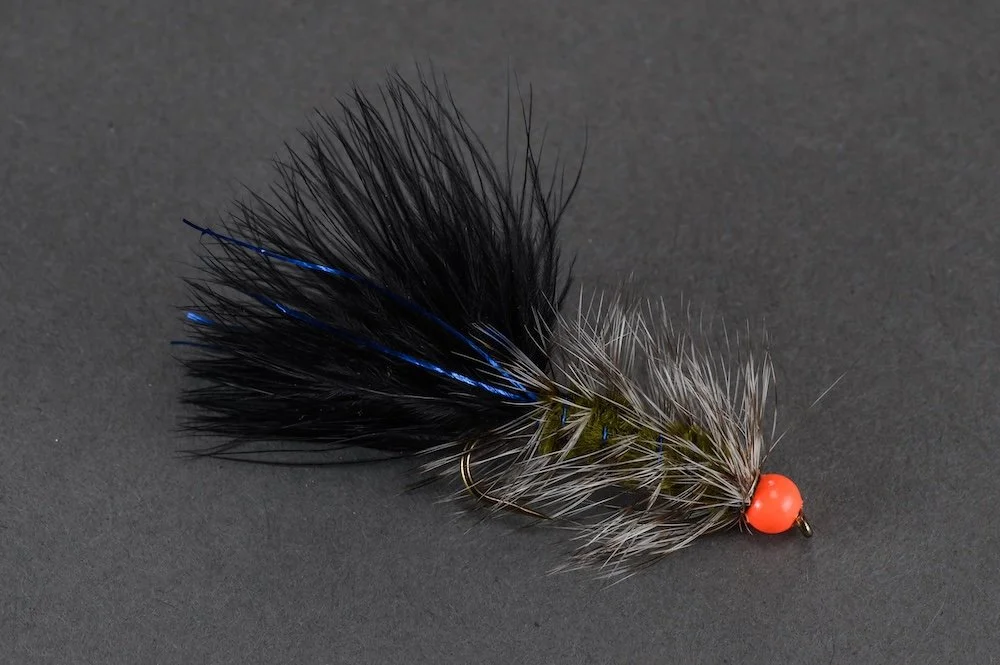
By late November and December, the Trout Spey arsenal gets pretty minimal. The water is warm enough that we’re throwing floating lines and light-ish tips. The fish are aggressive, and are generally more receptive to flies than imitate something they eat. they’re gorging for winter after all.There are leeches and fry in the river. Whitefish and Browns have just finished spawning. Most bugs are gone, but on warm afternoons you see the occasional October Caddis crossing a tailout.
Do leeches really steal trout eggs? I’ve never really looked into it, but the above fly can be deadly this month. Simply called an Olive/Grizzly Bugger, it’s that extra blue flash that sets this one apart. Ninch brought them into the shop years ago, and guide Beth Langell made it popular while swinging tanks on a skagit tip. We added this ESL variation a few years ago, but still you both patterns.
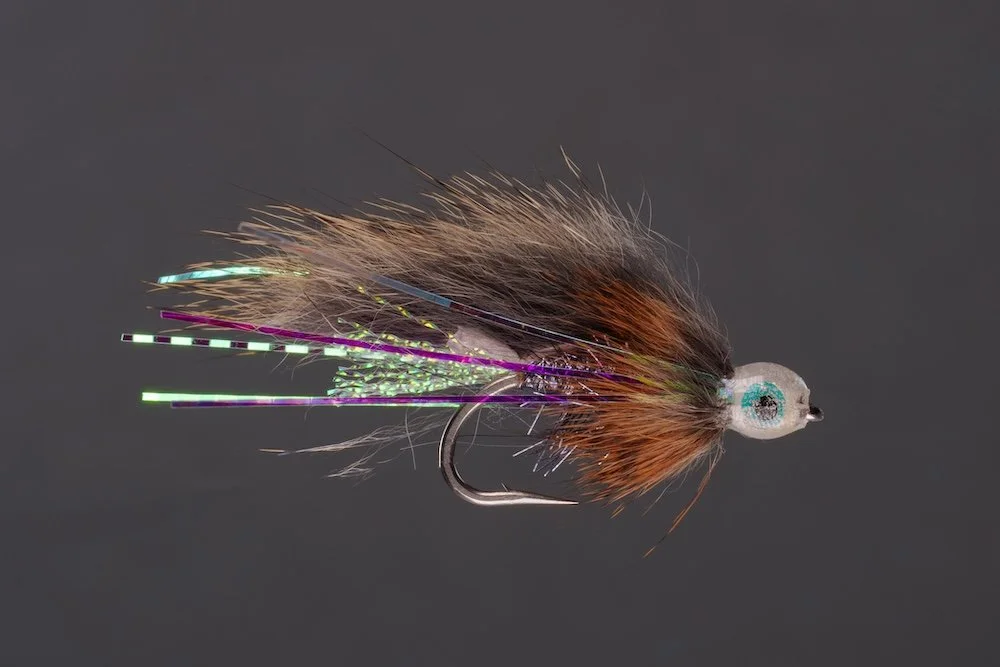
Kure’s Squirrel Micro Zonker
Probably my all time favorite for the Missouri River, Kure’s little Squirrel Zonker is super effective, tied very well, durable and ridiculously expensive. We carry this patterns in several colors, and they are the best fry patterns we have ever used on the Missouri. Takes on this fly are not timid. Fish crush this thing, and it often produces very large fish. It’s tied on a small saltwater hook that has excellent hook-up qualities and is strong enough to land anything that swims in the Mo’.
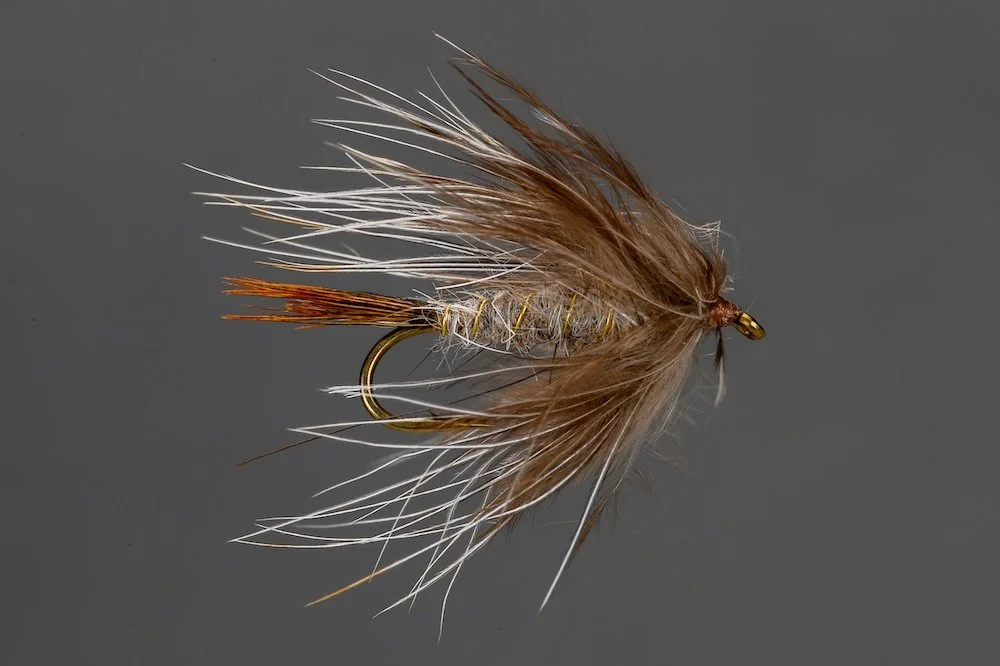
Gartside’s Sparrow
Dave Bloom showed me this bug years ago, and while I’ve never really fished it as he does, it immediately jumped to mind when we started spey fishing the Missouri in late-summer/early-fall. A natural creation by legendary fly tier Jack Gartside, the Sparrow has repeatedly proven itself every month of the year. If you can swing fish in the top 3 feet of the water column, it’ll work. After Halloween, just use this and an intermediate poly leader. If you don’t catch any… you’re fishing the wrong water.
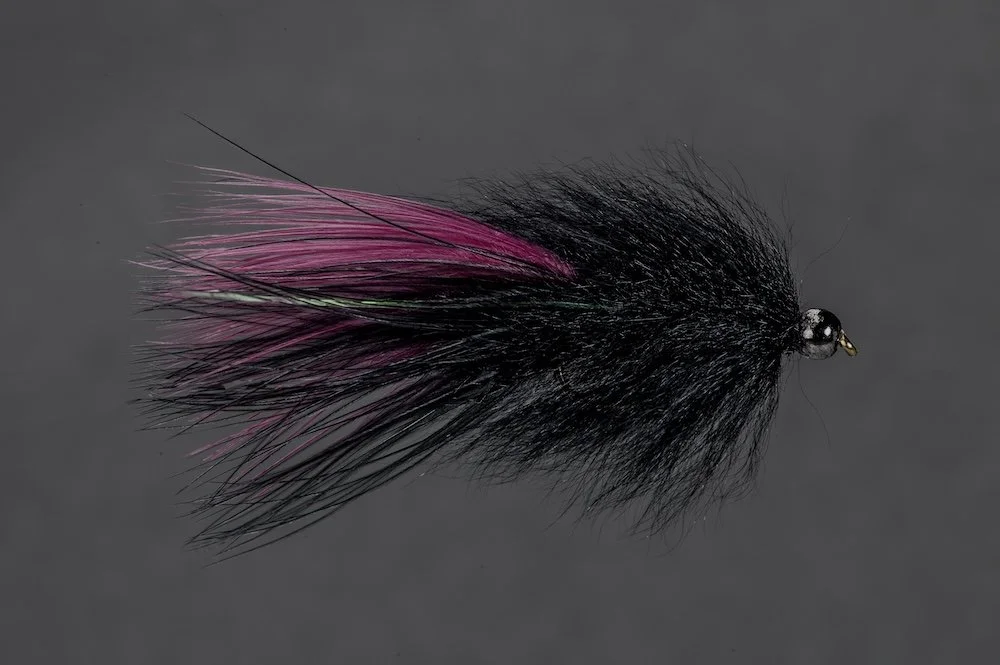
Pig Pen Leech
The Pig Pen Leech is about as ‘swimmy’ as a fly gets. Leeches are a common source of protein for our trout in the spring and fall, and while many leech patterns work, we’ve never found one more consistently productive than the Pig Pen. Not all leech patterns fish well in shallow riffles, but this one can be deadly in as little as a foot of water. It’s also a very effective Walleye pattern, if you’re into that sort of thing.
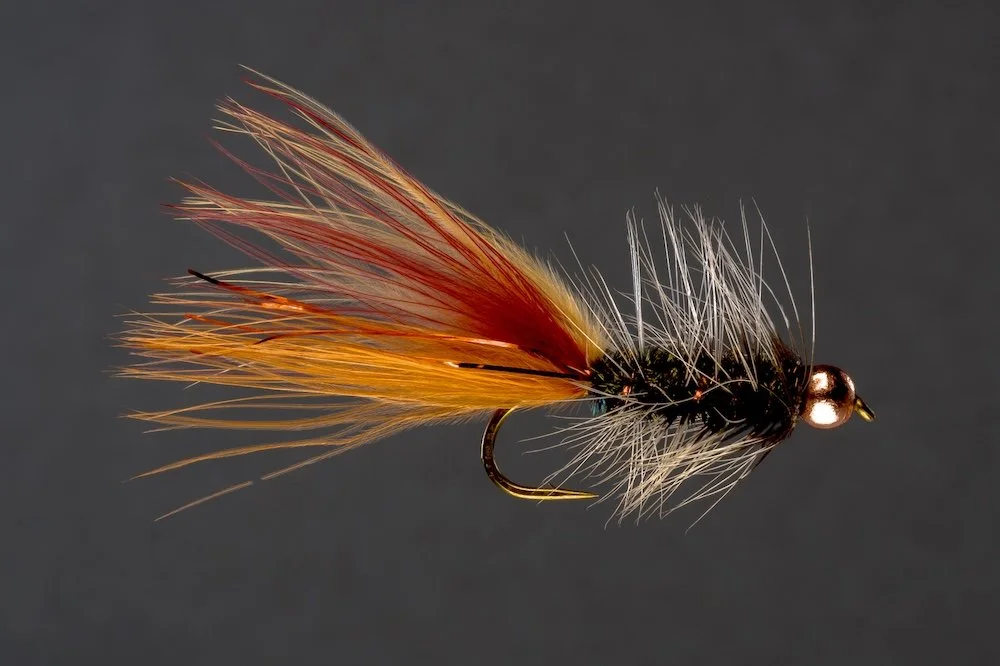
Thin Mint Copper
The ‘regular’ olive/brown Thin Mint is always a good choice, but in early winter we love the Tungsten Copper Thin Mint variation. And the fish do as well. If you want to keep things simple, use this fly, and adjust your sink tip density instead of changing flies. If you’re in the right water and the right depth, this fly will produce. Because it’s tied with a tungsten bead, this is an excellent choice for those who prefer to fish a floating line/mono leader combo (no sink-tip).
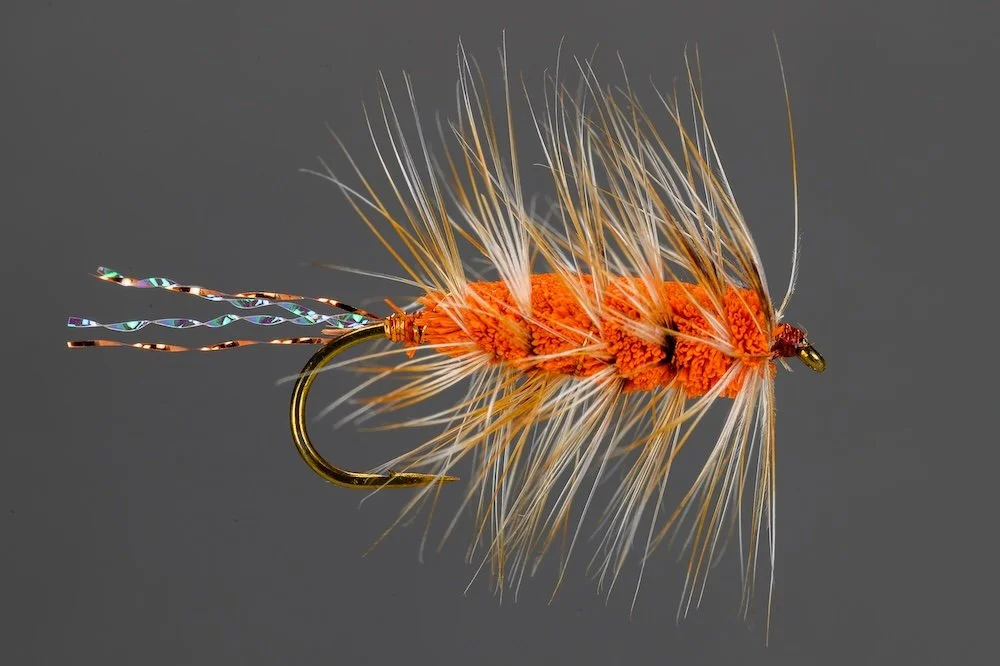
Headhunters October Buck
My variation of the Atlantic Salmon Buck Bug, tied as an imitation for October Caddis in the Northern Rockies. The October Buck can sink or swim, so just grease it up and let it do its thing.